


With changes in modern lifestyles, the incidence of digestive system diseases has shown a significant upward trend worldwide, especially in the field of hepatobiliary and pancreatic diseases. According to data from the World Health Organization (WHO) and the Global Burden of Disease Study (GBD), the number of deaths caused by hepatobiliary and pancreatic-related diseases exceeded 2 million globally in 2024, and the incidence continues to rise.
Common diseases include gallstones, acute cholangitis, chronic pancreatitis, cholangiocarcinoma, and pancreatic cancer. These conditions present diverse symptoms such as jaundice, severe abdominal pain, nausea, vomiting, and digestive dysfunction, which not only severely impair patients’ quality of life but may also be life-threatening if treatment is delayed. The high prevalence of these diseases stems from complex and varied factors, including high-fat diets, sedentary lifestyles, obesity, metabolic syndromes (such as diabetes), chronic alcohol consumption, viral infections (such as hepatitis B and C), and genetic factors. In addition, population aging has expanded the affected population; elderly individuals are more prone to stones or inflammation due to degenerative changes in bile duct function.
It allows direct visualization of the interior of the bile and pancreatic ducts and enables precise treatment.
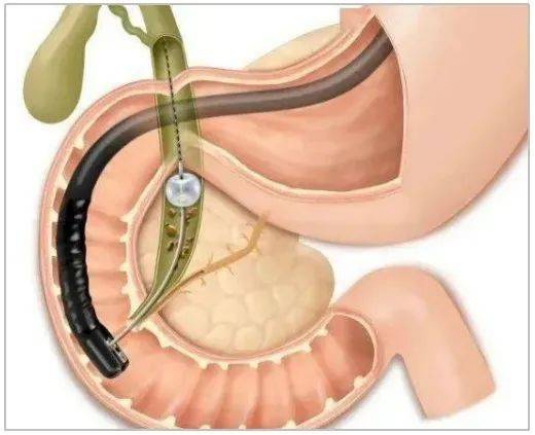
Its main applications include:
• Removal of bile duct stones: endoscopic instruments are used to directly extract stones from the bile duct, relieving jaundice and infection caused by obstruction.
• Management of strictures: for bile duct strictures caused by inflammation or tumors, stenting or dilation can restore bile flow.
• Tumor diagnosis: combined with biopsy, ERCP enables early detection of cholangiocarcinoma or pancreatic cancer, gaining time for subsequent treatment.
• Treatment of bile leakage: for bile leakage caused by surgery or trauma, ERCP can effectively control the condition via drainage or stenting.
Compared with traditional open surgery, ERCP offers significant advantages:
• Minimally invasive (access only through the mouth)
• Rapid recovery (patients are usually discharged within 1–2 days)
• Low complication rate (much lower risk of infection or bleeding than open surgery)
• In addition, ERCP allows both diagnosis and treatment in a single procedure, avoiding the risks and discomfort of multiple surgeries.
Statistics show that the success rate of ERCP exceeds 90%, making it the first‑line treatment for hepatobiliary and pancreatic diseases.
For a more intuitive understanding of the ERCP procedure, below is an explanatory video:
As shown in the video, ERCP requires extremely high precision, flexibility, and reliability from surgical instruments. Procedures are performed within the narrow and complex biliary system, where improper manipulation may lead to complications such as bile duct perforation or infection. In our next article, we will further explain the role of the single‑use digital cholangioscope as one of the most critical devices in ERCP.
We will continue to focus on technological innovation and manufacturing process optimization to provide customers with customized, high‑performance catheter solutions.


